Introduction
Gardening is more than just a hobby; it’s a lifestyle choice that reflects our values and priorities. Today, as environmental concerns rise to the forefront of our collective consciousness, eco-conscious gardeners are looking for ways to create beautiful green spaces that do not come at the expense of our planet. This article delves into Sustainable Gardening Practices for the Eco-Conscious Gardener, exploring a variety of techniques and strategies to cultivate your garden while minimizing your ecological footprint.
Sustainable Gardening Practices for the Eco-Conscious Gardener
Sustainable gardening practices are essential for those who wish to connect with nature while preserving it. These practices enable gardeners to grow plants in a manner that benefits both the environment and their local communities. Implementing these techniques can lead to healthier plants, reduced waste, and a more vibrant ecosystem.
Understanding Sustainable Gardening
What exactly does sustainable gardening entail? Essentially, it's about creating a self-sustaining garden ecosystem that minimizes resource inputs and maximizes outputs. This includes practicing responsible landscape design, using organic materials, conserving water, and encouraging biodiversity.
Benefits of Sustainable Gardening
Environmental Impact: Reduces pollution and conserves natural resources. Biodiversity: Supports local wildlife by providing habitats. Soil Health: Enhances soil quality and prevents erosion. Economic Savings: Lowers costs through reduced reliance on commercial products.Key Principles of Sustainable Gardening
1. Soil Management
Healthy soil is the foundation of any successful garden. Sustainable soil management practices include:
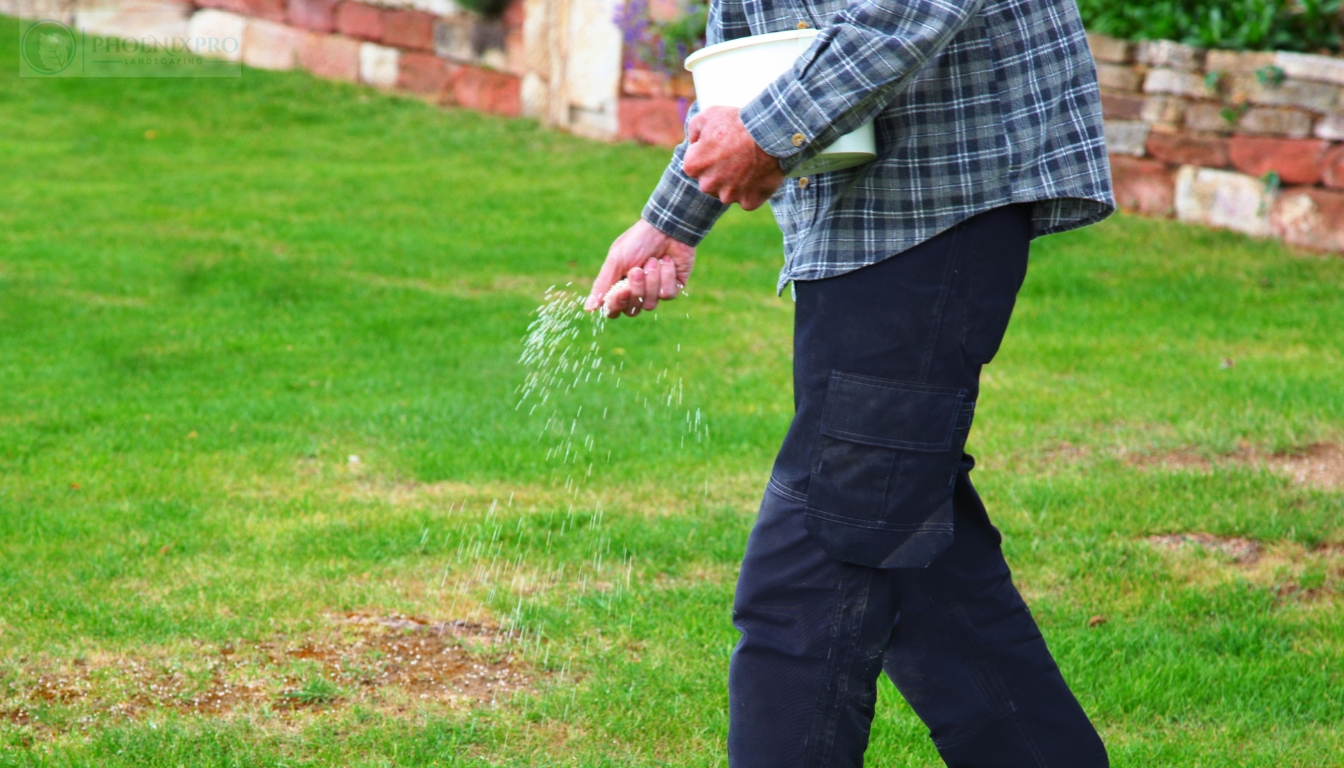
- Composting: Turn kitchen scraps into nutrient-rich compost. Mulching: Use organic materials like leaves or straw to retain moisture. Crop Rotation: Prevent soil depletion by alternating plant families each season.
2. Water Conservation
Water is a precious resource, and conserving it should be a priority:
- Rainwater Harvesting: Collect rainwater in barrels for irrigation. Drip Irrigation: Efficiently deliver water directly to plant roots. Native Plants: Choose drought-resistant species that require less watering.
3. Organic Pest Management
Protecting plants without harmful chemicals is crucial for sustainability:
- Beneficial Insects: Attract ladybugs or lacewings to control pests naturally. Companion Planting: Use certain plants to repel pests from others. Natural Repellents: Employ homemade solutions like neem oil or garlic spray.
4. Biodiversity Promotion
Encouraging a diverse range of flora increases resilience against pests:
- Create a habitat with varied plant heights and types. Include native species that support local wildlife.
Landscape Design for Sustainability
Designing Your Eco-Friendly Garden
Creating an aesthetically pleasing yet sustainable garden involves thoughtful landscape design:
Site Analysis: Assess sunlight, wind patterns, and drainage before planting. Zoning Plants: Group plants with similar needs together (sunlight, water). Pathways & Accessibility: Design paths that minimize soil compaction while making the garden accessible.Choosing Native Plants
Native plants are well-adapted to local conditions and require less maintenance:
- They support local pollinators such as bees and butterflies. Native species often require fewer resources—saving time on lawn maintenance!
Garden Tips for Eco-Conscious Gardeners
Seasonal Planting Strategies
When you plant can make all the difference:
Early spring is perfect for cool-season crops like lettuce and peas. Late spring is ideal for warm-season crops such as tomatoes and cucumbers.Waste Reduction Techniques
Minimizing waste not only helps the environment but also fosters creativity:
- Reuse containers for starting seedlings or creating vertical gardens. Create art from found objects like old tools or glass bottles.
Garden Maintenance Essentials
Routine Care Practices
Regular maintenance keeps your garden healthy without excessive effort:
Water early in the morning or late in the evening to reduce evaporation. Regularly check plants for signs of pests or disease—but do so organically!Seasonal Maintenance Tasks
Different seasons require different approaches:
Spring
Prepare beds by adding compost.
Summer
Monitor moisture levels closely.
Fall
Clear debris to prevent overwinter pest issues.
Winter
Plan next year’s layout while dreaming about blooms!
FAQs About Sustainable Gardening
1. What are some easy sustainable gardening practices?
Easy practices include composting kitchen scraps, using mulch to conserve moisture, and growing native plants which require less maintenance.
2. How can I attract beneficial insects?
To attract beneficial insects, plant flowers such as marigolds or dill alongside your vegetables; they provide nectar that draws in helpful pollinators.
3. Is organic gardening more expensive than conventional methods?
While initial costs may seem higher due to organic seeds or products, over time, you save money by reducing chemical inputs and enhancing soil health.
4. Can I maintain a lawn sustainably?
Absolutely! Consider using drought-resistant grasses or clover as an alternative ground cover which requires less mowing and watering.
5. How do I know if my soil is healthy?
A simple soil test can tell you nutrient levels; look out for dark color (rich in organic matter), good drainage capability, and presence of earthworms!
6. What role does crop rotation play in sustainable gardening?
Crop rotation prevents nutrient depletion in Home page the soil by alternating different plant families each local landscaping services season—reducing pest buildup too!
Conclusion
Adopting sustainable gardening practices allows us not only to enjoy our green spaces but also helps protect our planet's future—making every gardener an eco-warrior! By implementing these strategies from landscape design tips to effective garden maintenance techniques, we can cultivate beauty while caring for Mother Earth at the same time! So grab those gloves, dig into those beds with purpose because every small step counts towards sustainability!
By embracing these principles outlined under “Sustainable Gardening Practices for the Eco-Conscious Gardener,” you're not just growing plants; you're creating a verdant legacy that nurtures both you and nature alike!