Creating and maintaining a lush green yard is no small feat. A beautiful lawn not only enhances your home’s curb appeal but also provides an inviting space for relaxation, play, and gatherings. Whether you’re a seasoned gardener or just starting, understanding the essentials of lawn maintenance is crucial. In this article, we’ll delve into 10 essential lawn maintenance tips that will help you achieve a vibrant and healthy yard.
Understanding Lawn Maintenance
What Is Lawn Maintenance?
Lawn maintenance affordable landscaping company services refers to the practices and actions taken to keep a lawn healthy, attractive, and free from pests or diseases. This includes mowing, watering, fertilizing, aerating, and more. Effective lawn maintenance can enhance your landscape design and ensure that your yard remains lush throughout the seasons.
Why Is Lawn Maintenance Important?
Regular lawn maintenance not only beautifies your property but also contributes to the overall health of the environment. A well-maintained lawn can prevent soil erosion, reduce noise pollution, and improve air quality. Moreover, it can increase property values significantly.
1. Regular Mowing: The Key to a Healthy Lawn
How Often Should You Mow Your Lawn?
Mowing frequency depends on the grass type and season. Generally speaking:
- Cool-season grasses: Mow every 5-7 days during peak growth periods in spring and fall. Warm-season grasses: Mow every 7-14 days in late spring through summer.
Regular mowing encourages dense grass growth while preventing weeds from taking hold.
Best Practices for Mowing
- Keep Blades Sharp: Dull blades tear grass rather than cut it cleanly. Mow at the Right Height: Different grass types require different heights; typically, keeping grass at about 3 inches promotes deeper roots. Change Patterns: Altering your mowing pattern each time reduces wear on specific areas of your lawn.
2. Watering Wisely: Timing Is Everything
When Should You Water Your Lawn?
Watering in the early morning (between 6 AM and 10 AM) is ideal because temperatures are cooler, reducing evaporation rates.
How Much Water Does Your Lawn Need?
A general guideline is to provide about one inch of water per week. This can be adjusted based on rainfall and seasonal changes.
Smart Watering Techniques
- Use a Rain Gauge: To measure how much water your lawn receives. Soak Not Spritz: Deep watering encourages strong root systems.
3. Fertilization: Feeding Your Grass Right
Why Is Fertilization Necessary?
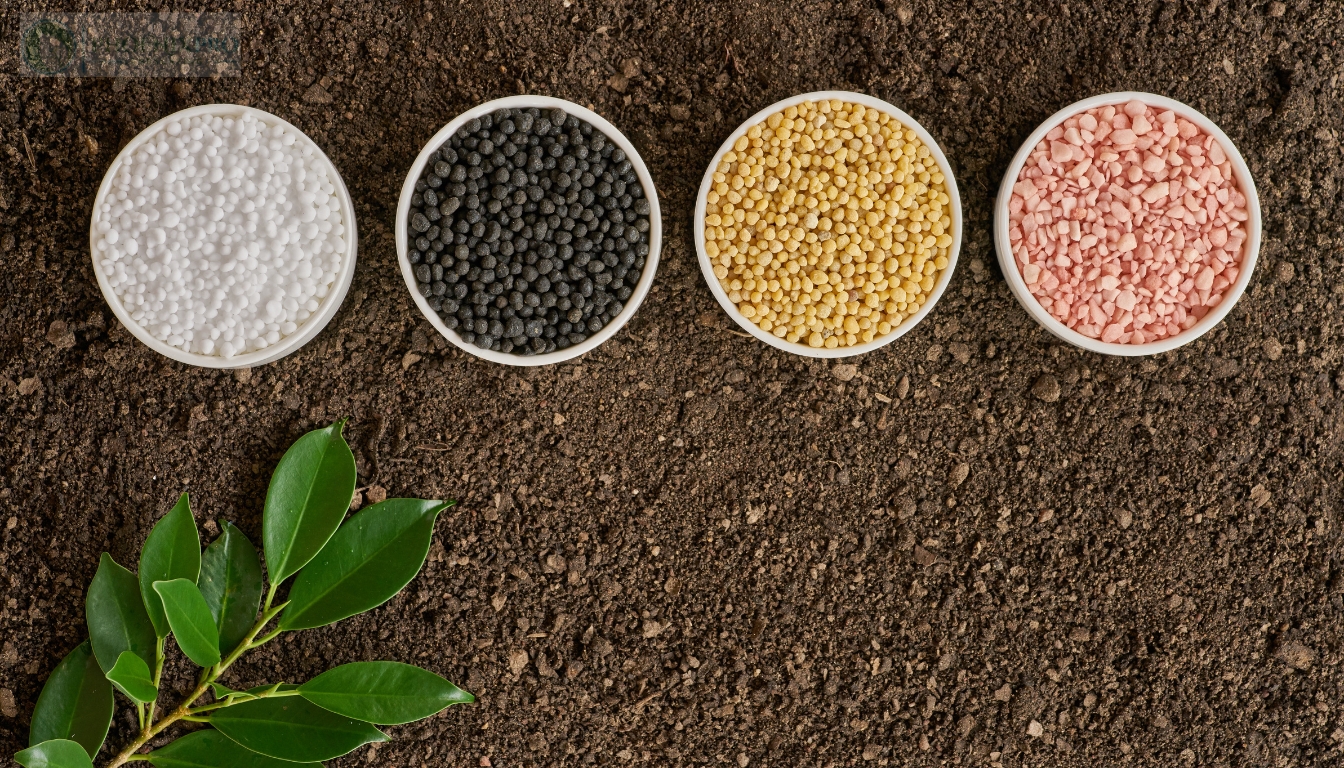
Fertilization replenishes nutrients in the soil that plants need for growth. Grass consumes nitrogen (N), phosphorus (P), and potassium (K) as its primary nutrients.
Types of Fertilizers
Granular Fertilizers: Slow-release options that feed over time. Liquid Fertilizers: Fast-acting solutions for immediate nutrient boosts.Best Time to Fertilize
Typically, fertilization should occur:
- Early spring: Kick-start growth after winter dormancy. Late summer/early fall: Prepare grass for winter survival.
4. Aeration: The Secret to Healthy Roots
What Is Aeration?
Aeration involves perforating the soil with holes to allow air, water, and nutrients to penetrate down to the roots more effectively.
When Should You Aerate Your Lawn?
The best times for aeration are during periods of active growth:
- For cool-season grasses: Early spring or early fall. For warm-season grasses: Late spring through early summer.
Benefits of Aeration
- Reduces soil compaction Improves drainage Promotes healthier grass growth
5. Weed Control Strategies
Understanding Weeds
Weeds compete with your grass for resources—water, nutrients, light—so controlling them is crucial for maintaining a lush yard.
Types of Weeds
Annual Weeds (e.g., crabgrass) Perennial Weeds (e.g., dandelions)Effective Weed Control Methods
Pre-emergent Herbicides: Prevents weed seeds from germinating. Mulching: Suppresses weed growth while retaining moisture in garden beds. Hand-pulling: Effective for small infestations; ensure roots are removed entirely!6. Pest Management Techniques
Identifying Common Pests
Common pests include grubs, chinch bugs, and armyworms which can damage your lawn significantly if left unchecked.
Integrated Pest Management (IPM)
Using IPM involves combining different management strategies:
Cultural controls Mechanical controls Biological controls Chemical controls when necessary7. Soil Health Matters
Testing Your Soil
Conducting a soil test helps determine pH balance and nutrient levels necessary for optimal grass growth.
How to Test Soil
You can either use DIY kits available at garden centers or send samples to local agricultural extensions for professional testing.
Improving Soil Quality
Add organic matter like compost Use beneficial microbes through bio-stimulants Adjust pH levels using lime or sulfur as needed8. Seasonal Care Tips
Spring Care Essentials
As winter fades away:
Rake leaves and debris Apply pre-emergent herbicides Begin regular mowing scheduleSummer Care Essentials
During hot months ensure:
Adequate watering Adjust mowing height higher 3 .Monitor pest populations closely9 . Preparing for Fall & Winter
Preparing your lawn before winter ensures its health in spring:
1 . Fertilize with high potassium content fertilizer
3 . Keep leaves cleared from the lawn
10 . Landscaping Considerations
Integrating landscape design into your yard enhances aesthetics while ensuring easy maintenance:
1 . Choose native plants that require less upkeep
2 . Design paths or borders that reduce mowing area
3 . Create shaded spots using trees or structures
FAQs About Lawn Maintenance
What’s the best time to mow my lawn? Mow during cooler parts of the day—early morning or late afternoon—to avoid stressing the grass under harsh sunlight.
How often should I fertilize my lawn? Typically two to four times per year depending on grass type; consult local guidelines for specifics tailored to your region’s climate.
Can I water my lawn every day? Not necessarily! Most lawns thrive on deep watering once or twice weekly rather than daily shallow watering which leads to weak root systems.
Does aeration really help my lawn? Absolutely! Aeration allows essential nutrients access deeper into compacted soils resulting in healthier grass!
What’s better—liquid or granular fertilizer? It depends on individual preferences; liquid fertilizers act quickly while granular options offer slow release over time making them suitable long-term solutions!
How do I get rid of dandelions without chemicals? Consider boiling water poured directly onto weeds or homemade vinegar solutions as natural alternatives!
Conclusion
Achieving a lush green yard requires dedication—but with these 10 essential lawn maintenance tips, you’ll be well-equipped! Remember that patience pays off; by following these guidelines consistently throughout each season—your dream yard will soon become reality! Happy gardening!